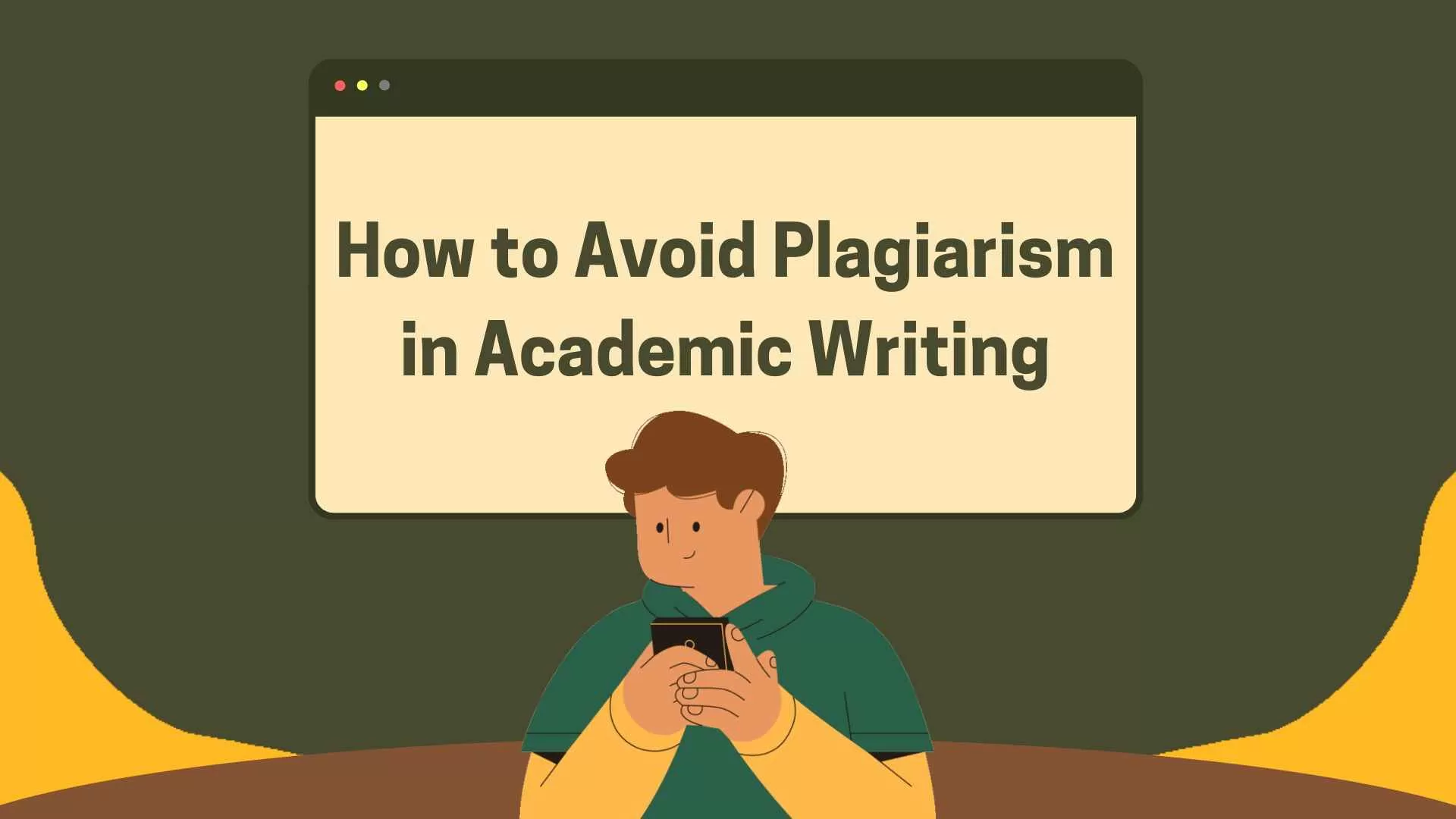
If you’re currently studying in the UK, whether as an undergraduate, a Master’s student trying to survive the tough dissertation season, or an international student who’s finding a way to adjust to the British academic culture, you’ve definitely heard one thing more than anything else: “whatever you do, don’t plagiarise.” It’s repeated almost in every induction lecture, printed in course handbooks, and wrapped into every Turnitin submission. Yet here’s a simple truth that nobody tells you honestly: Most students who plagiarise didn’t mean to. They weren’t looking to cheat, copy, or even mislead anyone. They were simply overwhelmed, rushing a deadline, confused about how much paraphrasing counts as “little too close,” or just unaware of how strict UK academic rules actually are.
Plagiarism is not just a matter of copying and pasting without giving credit. Moreover, since UK universities are extremely strict about academic accomplishment, even the tiniest trace of plagiarised text that is unintentionally made can cause a chain of different punishments that, in fact, follow you long after the semester is over.
The present article aims to explain to you the way plagiarism is handled according to the UK regulations, the reasons why it is considered such a grave offence, and the best practical methods that you can employ to stay clear of these kinds of problems when writing essays, reports, dissertations, and theses. Therefore, whether you are preparing an assignment for the first time or working on your final-year research project, this is a perfect student-friendly guide that will lead you through the process.
Understanding Plagiarism in the UK Academic System
Almost all UK universities have implemented Turnitin or other similar checking systems in some way. These instruments scrutinise each line of your work and highlight the identical parts in the academic journals, websites, student papers, or even your previous submissions. Nevertheless, here is something that a lot of freshmen students have got wrong: Plagiarism is not a rule-dependent one. No matter whether you copied or not, the similarity report will reflect reality. If the academic reviewing your work finds that a paragraph in your assignment is very similar to one in another source, he/she may treat it as misconduct.
Besides that, a large number of international students believe that the academic writing culture in the UK is different from that in their countries. In some countries, learning and reciting from textbooks is considered a good way of scholarship, whereas in the UK, the focus is on originality, critical analysis, and independent thinking. Therefore, even if you consider that you are just doing the author a favour by keeping his/her phrasing, your lecturer will perceive it as plagiarism. The first step to getting off the hook is recognising these cultural norms.
Plagiarism is not a single act, but rather a range of behaviours that UK universities delineate very precisely. As per the UK Quality Code expectations and the majority of university regulations, plagiarism comprises:
- Direct copying of text, diagrams, or data without credit
- Close paraphrasing where you change a few words but keep the structure
- Using someone’s ideas without acknowledging them
- Submitting the same work twice (self-plagiarism)
- Working with someone else on individual tasks (collusion)
- Buying, commissioning, or AI-generating assignments (contract cheating)
Why Plagiarism Is Taken So Seriously in the UK
The severity of plagiarism isn’t just about having those rules set; it’s about protecting academic credibility. UK universities take pride in making original research, and that reputation totally depends on students demonstrating honesty, integrity, and their own specific voice.
When a student plagiarises:
- It undermines the fairness of the assessment
- It devalues genuine research
- It distorts academic understanding
- It disrespects intellectual property
On a personal level, plagiarism can lead to consequences such as:
- Failing an assignment
- Failing the module
- A formal academic misconduct record
- Suspension or expulsion in severe cases
- Being refused academic references later
Common Types of Plagiarism Students Commit
To avoid plagiarism effectively, you need to know what it looks like. Here are the types UK lecturers see most often:
1. Direct Plagiarism
Copying text word-for-word from books, websites, or journals without quotation marks or citations. Even copying a single sentence can cause trouble.
2. Unintentional Plagiarism
Probably the most common one, this happens when students usually paraphrase poorly, forget about citations, or misunderstand what needs to be referenced.
3. Mosaic / Patchwork Plagiarism
Also known as mosaic plagiarism, mixing copied text with slight synonyms or rearranged sentences, it still counts as plagiarism because the structure and meanings are exactly copied.
4. Self-Plagiarism
Reusing parts of your own past assignment without seeking permission, even recycling your own literature review from a previous module, is considered misconduct in many universities.
5. Source-Based Plagiarism
Using incorrect, incomplete, fabricated, or outdated references. If the reader can’t trace the source, it’s considered dishonest.
6. AI-Assisted Plagiarism
AI technologies are tools that can help you generate new written material; however, simply copying an extensive amount of text produced by an artificial intelligence (AI) program and passing it off as your own when submitting it would likely constitute a breach of the majority of UK institutions’ academic integrity policies.
Once you understand these classifications, it is much simpler to avoid breaching such policies through your written work.
Strategies to Avoid Plagiarism (UK-Approved Methods That Actually Work)
Avoiding plagiarism isn’t just about writing slower or even learning the most complicated rules; it’s about building and encouraging good habits. Below are the most practical strategies that you could apply in UK academics, followed by many other students.
Take Careful, Organised Notes
Plagiarism usually starts in the note-taking stage. If you copy a paragraph in your notes without labelling it as a quote, you might accidentally use it later on without ever realising it’s not your words.
When reading:
- Label notes as QUOTES, PARAPHRASE, or YOUR IDEAS
- Record page numbers and authors immediately
- Keep a running bibliography from day one
Learn to Paraphrase Properly
A bad paraphrase looks like the original text wearing a thin disguise. That version will get flagged instantly. What’s often confused is that paraphrasing is more than swapping a few words; it’s rewriting the idea completely in your own structure, tone, and interpretation. Here’s what you need to have a good paraphrase:
- Changes the sentence structure
- Uses completely new wording
- Shows your understanding
- Still includes a citation.
Use Quotations Wisely
Quoting is widely accepted when used sparingly. UK writing guidelines recommend the following:
- Quoting short lines for definitions or key concepts
- Using quotation marks and clear citations
- Integrating the quote naturally into your argument
Overusing quotes, however, makes your work look like a compilation rather than your own contribution.
Understand Referencing Styles
Each and every style has rules for in-text citations, reference lists, and formatting. Mixing styles or guessing formats leads to errors that look like plagiarism, even if you didn’t intend to mislead.
UK universities typically use:
- Harvard (most common)
- APA
- MLA
- OSCOLA (law)
- Chicago
Manage Your Time Effectively
Most of the plagiarism happens at 2 a.m. on the night before the deadline. Spacing out your work gives your brain enough room to paraphrase naturally instead of clinging to the original text. Rushed writing leads to messy citations, sloppy paraphrasing, and copy-pasted notes that slip through.
A simple timeline helps:
- Week 1–2: Reading + note-taking
- Week 2–3: Outlining
- Week 3: Drafting
- Week 4: Proofreading + plagiarism check
Review Your Similarity Report
Turnitin similarity isn’t automatically plagiarism, but it’s essential that you understand your report. A high percentage usually means:
- Too many quotes
- Poor paraphrasing
- Reused assignment structure
- Incorrect referencing
Aim to keep similarity low by revising flagged sections until your own voice is clear.
Use AI Responsibly
AI tools can help to brainstorm ideas, rephrase the most complex structures, or even spot writing issues, but they simply can’t replace your ideas. Universities expect:
- Transparency when using AI
- Editing any AI-generated text
- Ensuring the final submission reflects your critical thinking
Best Plagiarism Checkers for UK Students
A good plagiarism checker always helps you catch accidental issues right before your lecturer does. Some of the most reliable options include the following:
Turnitin
The industry standard is used by almost all major UK universities. Students sometimes get access through “Turnitin Draft Coach” or through library portals.
Grammarly Premium
Extremely useful for basic plagiarism detection and improving clarity, but not as strong as Turnitin.
Scribbr Plagiarism Checker
Very detailed and quite often used before dissertation submissions.
QuillBot Checker
Works well alongside paraphrasing, but must be used carefully.
University-Provided Tools
Some institutions have their own checkers for early drafts, but here’s the catch: Similarity isn’t automatically misconduct, but it’s your own responsibility to interpret and address the flagged sections.
How UK Universities Expect Students to Reference Properly
Plagiarism can be avoided by references; it’s an essential component of the UK academic culture in providing accurate references that inform others about where your idea originated, how you developed it and ultimately why your creation has merit or value when placed alongside other authors’ work.
Without a strong reference list containing complete authors’ names, date of publication(s), full title, Edition, names (s), full page numbers, journal/publisher name(s), URL(s), and DOI number(s) as appropriate, you will ruin your credibility. The use of a reference manager (e.g., Zotero, EndNote, Mendeley, etc.) will help you save time and effort by allowing you to produce correctly formatted references, maintain consistency throughout your writing and organise your references effectively.
Final Pre-Submission Checklist
Before you upload your assignment, run through this simple checklist:
- Are all paraphrased ideas restructured in your own words?
- Are all quotes clearly marked and cited?
- Do in-text citations match the reference list?
- Is every reference correctly formatted?
- Is your own voice dominant throughout the writing?
- Have you reviewed your similarity report?
The Mindset That Protects Your Work
Plagiarism is indeed one of the biggest academic challenges that students typically face in the UK, not because students want to cheat, but because the rules are too complex and the expectations are quite high. But once you know how plagiarism actually functions, avoiding it becomes a natural part of your writing process. By developing strong paraphrasing habits, referencing consistently, managing your time efficiently, and using digital tools responsibly, you not only protect your grades but also your academic reputation as a whole.
FAQs
Is paraphrasing without a citation considered plagiarism in the UK?
Yes. A rewrite of an idea using one’s own words still requires a credit to the source of the original idea.
What is an acceptable Turnitin similarity percentage?
There is no set number applicable to everyone. However, most universities in the UK allow a low to moderate level of similarity provided that the matched texts are properly cited.
Do lecture notes need to be referenced?
If the idea is not general knowledge and it came straight from the lecturer, then it should be referenced, especially in essays and reports.